


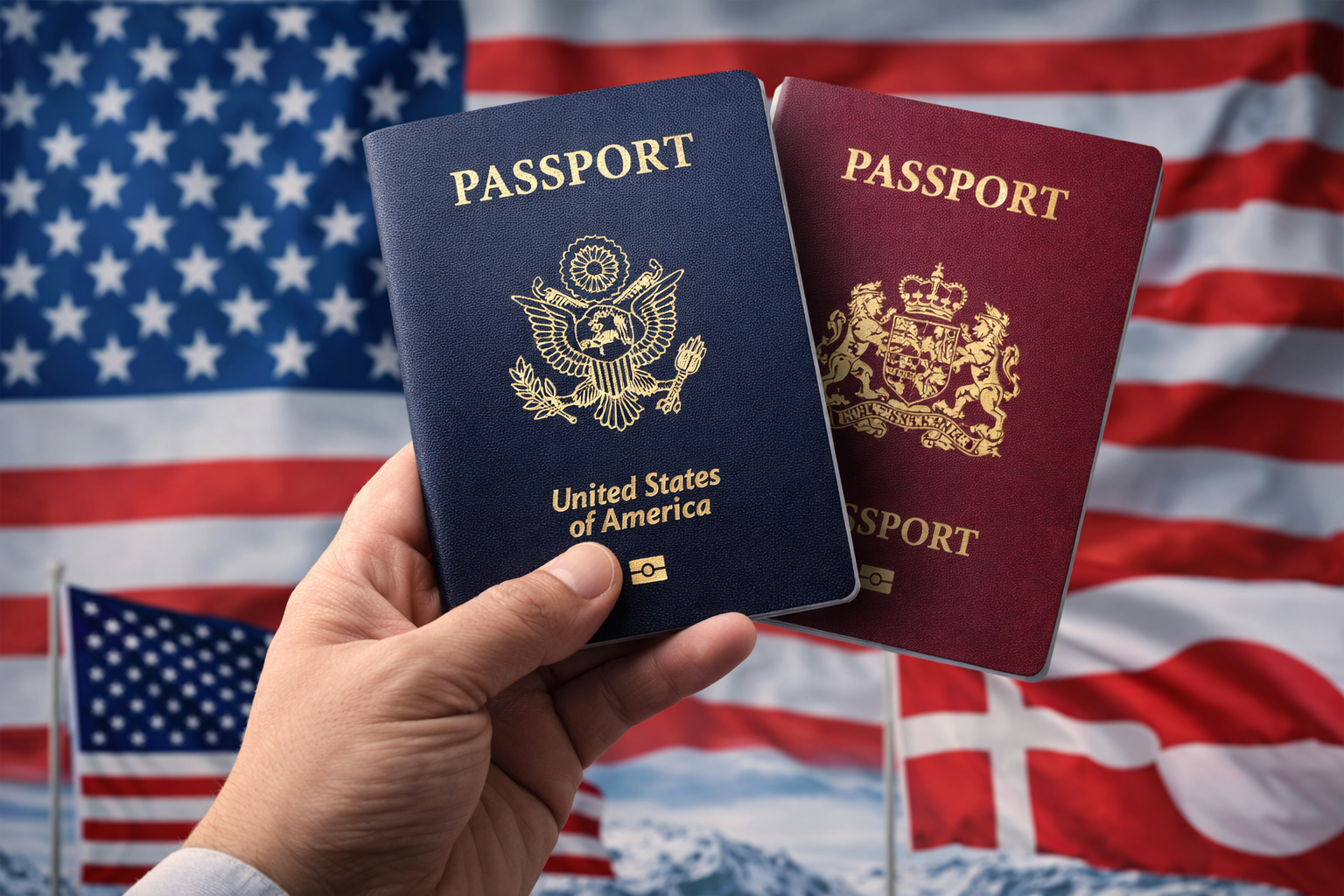
Dual citizenship — also known as dual nationality — refers to the legal status in which a person is recognized as a citizen of two countries at the same time. In the United States, this status is allowed under current law, although it can carry important responsibilities and requirements for those who hold it. USAGov+1
Is Dual Citizenship Allowed in the U.S.?
Yes. U.S. law permits dual citizenship, meaning an individual can be a citizen of the United States and another country simultaneously. Unlike some nations, the U.S. government does not require a person to renounce their previous nationality when becoming a U.S. citizen. Christians in the Supreme Court have upheld this interpretation, and current policy recognises this status even though the U.S. doesn’t actively promote it. USAGov+1
However, dual citizenship is shaped by the laws of both countries involved — so while the U.S. allows it, the other country might not. Some countries automatically revoke citizenship upon naturalisation elsewhere, and others have specific restrictions. Premium Citizen
Obligations and Requirements
One key rule for dual citizens is related to travel: U.S. citizens, including those with dual nationality, must use their U.S. passport when entering or leaving the United States. This ensures their status is properly recognised by immigration officials. USAGov
Dual citizens also owe allegiance to both nations and may be subject to certain obligations in each — such as tax filing requirements in the U.S., or civic duties like military service in the other country. Viagem+1
How Dual Citizenship Happens
People can acquire dual citizenship in various ways:
- By birth: A child born in the U.S. to parents from another country may automatically have citizenship in both countries.
- By descent: Someone born abroad to U.S. citizen parents can also claim U.S. citizenship while retaining citizenship in their birth country.
- By naturalization: A foreign national can become a U.S. citizen later in life while keeping their original nationality, provided that country allows it. Dual Citizenship
It’s important to follow the legal procedures for naturalization and citizenship recognition in both countries. In the U.S., naturalisation typically involves permanent residency, a civics and English test, an application process, and the oath of allegiance. Dual Citizenship
Practical Considerations
Holding dual citizenship can offer benefits like:
- Freedom to live and work in both countries
- Ability to travel with two passports
- Access to social services and voting rights in each nation
But it can also bring complexities. For example, dual nationals may face:
- Tax obligations to both countries
- Restrictions on certain government jobs in the U.S. that require strict security clearances
- Requirements to enter and exit each country with the appropriate passport
- Limits on consular assistance when in the other country’s territory Boundless+1
